

Summarize with AI:
Florida’s tropical climate isn’t kind to your home’s exterior. The humidity and ample rainfall make it easy for mold, algae, and mildew to thrive. This makes it important to nail down the right pressure washing frequency for a house in Orlando, FL. If you don’t, expect expensive repairs and replacements down the line.
In this post, Holliday’s Pressure Washing Services goes over preventing mold and algae with regular pressure washing and how to get the timing just right.
Orlando Fast Facts:
- Average annual rainfall: ~51.45 inches
- Rainy season: June–September
- Lovebug seasons: April–May and August–September
Why Frequency Matters in Orlando’s Climate
One thing that makes living here so much fun is the sunny weather and mild winters. Gardens thrive because we get plenty of rainfall, keeping those oak and palm trees looking lush. And that’s where the problems start.
Leaf litter creates mold on roofs and houses thanks to the high humidity. Irrigation systems aggravate the issue and leave streaks on windows and walls. And, during our sticky summers, grime seems to stick like glue. Add in some spores and algae streaks across every exterior surface in a flash.
This means that the recommended pressure washing frequency in Orlando is higher than in other parts of the country, but it’s essential to get it right.
Allowing mold and algae to sit for too long etches your surfaces and attracts pests. The longer you leave it, the more chemicals you need to eradicate them when you do take action.
When you consider how much professional pressure washing typically costs, it’s better to clean regularly. If the team has to dig through a year’s worth of grime every time, you’ll pay a lot more than if it’s just been a few months.
Quick Answer for Busy Orlando Homeowners
The best moments to pressure wash your home are late winter to early spring (Jan-Apr) and fall (Oct-Nov). Avoid peak summer thunderstorm months and extremely hot days, as these conditions make it harder to achieve ideal results. Some cases also call for impromptu sessions, including after major storms and lovebug waves, or when algae colonies begin spreading rapidly.
General Pressure Washing Guidelines for Orlando
Orlando’s Weather Accelerates Algae, Mold, and Mildew
There’s a reason why the EPA and Florida DOH constantly warn property owners about mold risks. Orlando’s subtropical climate and 40+ inches of annual rainfall create a warm, damp environment where organic growth can thrive.
Algae spreads fast, especially from July to August, when humidity reaches peak levels. Daily summer storms also splash dirt and organic matter on siding.
What This Means for Your Home
Since surfaces stay damp for longer, green and black stains from mold and algae can spread and become permanent. Pool enclosures and lanais also tend to collect leaves, twigs, and other organic debris from storms.
Why not address minor buildup instead of letting it spread throughout your property’s exterior? One of our cleaning specialists mentions, “Porous stucco and shaded driveways have the highest risk of growth, but with regular care, you can stop debris, mold, and algae from causing long-term damage.”
The EPA recommends staying on top of gutter maintenance, since clogged, wet channels can exacerbate mold growth.
Recommended Frequency by Surface
How often should you hire full exterior house washing services? Here’s a quick guide per project, but we recommend keeping an eye out. If you see those tell-tale black streaks, call us as soon as possible.
| Surface | Standard Frequency | Accelerators (Clean Sooner If…) |
| House Siding | 6–12 months | Shade, HOA, irrigation |
| Driveways | 6–9 months | Overspray, trees, foot traffic |
| Roof | 1–2 years | Streaking, trees |
| Pool Cages | 6–12 months | High humidity, enclosed |
| Fencing | 6–12 months | Wood, PVC, shaded |
Surface-Specific Timing and Frequency Table
| Surface | Best Month(s) | Frequency | Why This Matters in Orlando |
| Stucco (painted/unpainted) | Jan-Apr, Oct-Nov | Every 6-12 months | Stucco absorbs moisture → algae spreads faster in humid months |
| Roof (shingle/tile) | Feb-Apr, Oct | Soft wash every 2-3 years; annual inspection | Post-storm debris + humidity cause rapid black streaking |
| Driveways and walkways | Fall and spring | Every 6-12 months | Shaded concrete becomes slippery and hazardous |
| Pool decks and screen enclosures | Mar-May, Sep-Nov | Every 6-9 months | Pollen + storms + organic debris collect on cages |
| Pavers | Feb-Apr | Annual cleaning, reseal every 2-3 years | Prevents mold between joints |
| Fencing (PVC/vinyl) | Year-round | Every 6-12 months | Shows lovebug and sprinkler staining easily |
We recommend taking a walk around your property every quarter. If you see the following signs, give us a call:
- Green or black algae, or the unsightly streaks they leave
- Slippery driveways due to oil slicks or mold
- Bug stains or tree sap after a particularly warm summer
- Pollen dust that seems to cling to everything
- Musty smell near siding or windows that could indicate a mold issue
Dealing with these issues as early as possible is always cheaper than letting them linger. We base our pricing on how long the job takes, so it’s better to call sooner rather than later.
Personalized Pressure Washing Cadence by Property Type
Your property type and layout also make a big difference. For example, a pool house is more likely to have algae or mold because of the screened enclosure. A townhouse with a lot of trees needs more care than an apartment that’s in an open area without a lot of vegetation.
Exposure-Based Cadence Matrix
| Property Type | Conditions | Recommended Cycle |
| Townhome | Mostly shaded | 6–9 months |
| Single-family home | Open yard | 12 months |
| Pool home | Screened enclosure | 9 months |
| Irrigated lot | Rust-prone | 6 months |
| HOA-managed | Curb compliance needed | 6–9 months |
Not all homes age the same. Tree coverage, sprinkler type, sun exposure, and even your HOA rules affect the pressure washing frequency for a house in Orlando, FL. It’s also worth considering the type of stain.
For example, rust stains are notoriously difficult to remove, especially if they’ve had time to sit. Hire professionals for iron and rust stain removal services for a total and thorough clean.
When’s the Best Time to Pressure Wash in Orlando?
Late Winter to Early Spring (Jan–Apr): The Ideal Period
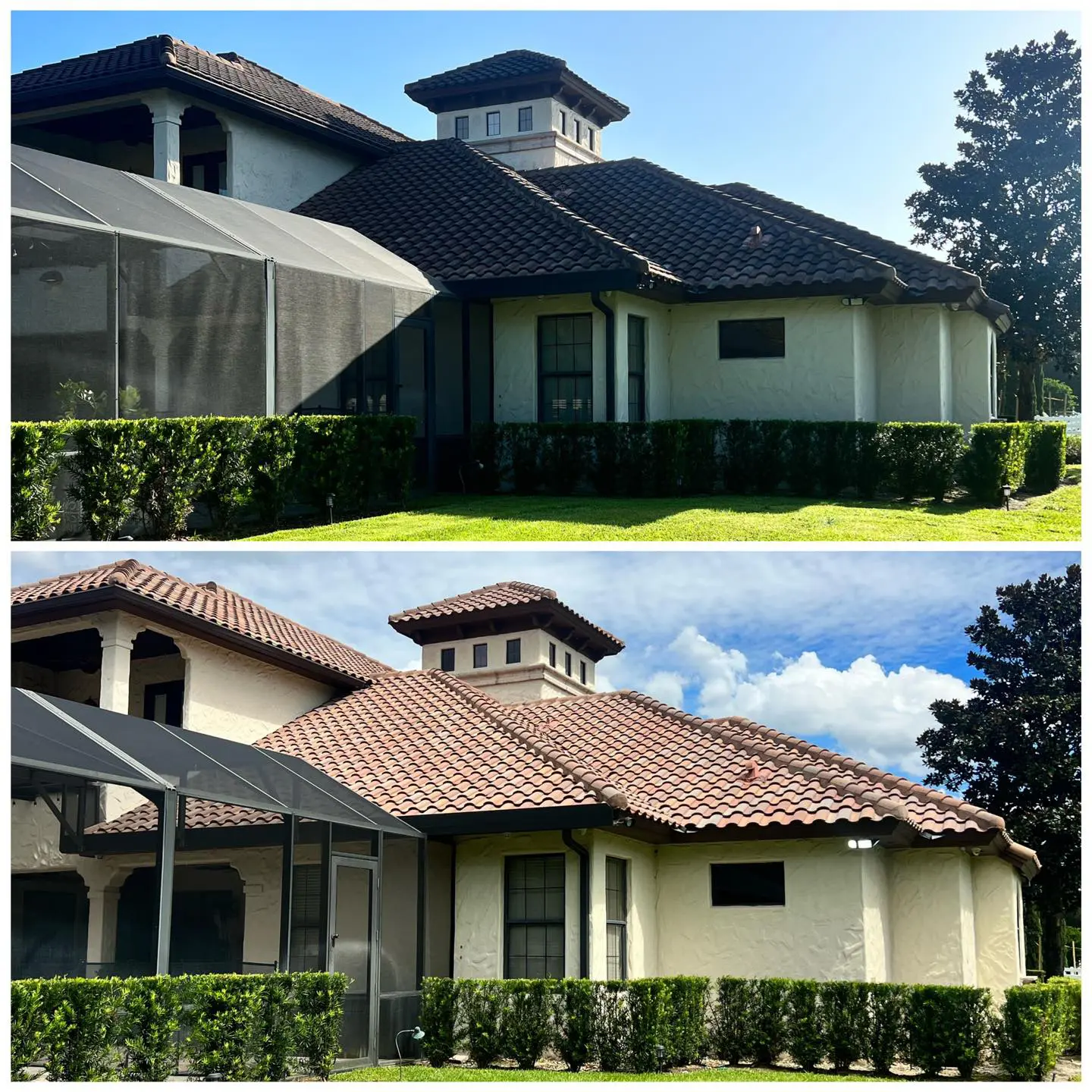
Clean your exterior before the summer heat sets in! With milder temperatures and lower humidity, it’s easier to produce a deep, longer-lasting refresh. This is also the perfect moment to take care of HOA requirements before seasonal letters go out.
Fall (Oct–Nov): The Next Best Window
The rough summer weather brings environmental debris, roof-staining buildup, and humidity-related algae growth. Airbnbs and those planning to host for the holidays should address these issues before the colder months arrive.
When Does It Make Sense to Pressure Wash In the Summer
As mentioned, summer can be difficult for pressure washing, but sometimes it makes sense:
1. Remove Mold Growth
The best way to prevent mold growth is to keep your home exterior clean. Hiring a pressure washing company in the summer will ensure the water evaporates after cleaning, leaving the space dry and preventing mold from regrowing immediately.
Mold loves warm, moist Florida weather. It grows quickly on exterior surfaces and changes the color of your home exterior, driveway, and anything else it touches. Mold can cause respiratory problems and worsen allergy symptoms.
Mold that starts on exterior walls quickly moves inside, forming an infestation inside your walls and causing serious health problems. When mold runs rampant inside your home, it can cause foundation damage and it requires professional mold remediation.
2. Prepare for Summer Activities
Everyone loves to spend time outside during the summer. When your patio furniture is caked with pollen, dirt, and bird droppings, you could spend hours scrubbing it without making much progress.
Pressure washing can clean outdoor furniture without causing additional damage. Pressure washing experts can safely clean your patio furniture and let you enjoy it for another year without spending money to replace it.
Pressure washing will help remove caked-on dirt from your patio, pool deck, or other outdoor space. Start the summer with a clean, inviting space to entertain, cook, or just hang out.
Taking matters into your own hands and pressure washing your wooden deck yourself could end up stripping the paint and making it look worse than when you started. Leave it to the professionals for a quality clean without causing damage.
3. Save Money on Roof Repair
When mold and algae grow on your roof, they contribute to premature deterioration. Mold and algae stains make your roof look streaky and lower curb appeal. Excess mold can damage individual shingles, creating weak spots that lead to water leaks.
A well-maintained roof can last over a decade, but when a roof starts to decay, it can cost thousands of dollars to repair. When you schedule summer exterior cleaning, the pressure washers will use a technique called soft washing to thoroughly cleanse the roof and prevent deterioration without damaging the shingles.
Seasonal Pressure Washing Calendar
| Season | Ideal Tasks |
| January–April | Full wash (best drying weather) |
| May–June | Rinse off pollen, prep for lovebugs |
| July–September | Spot clean algae/storm debris |
| October–November | Post-hurricane reset, HOA compliance |
Orlando’s Month-by-Month Pressure Washing Calendar
If you want to know when to pressure wash your house in Orlando, FL, it’s easy to feel overwhelmed by the onslaught of environmental challenges. Homeowners, property managers, and short-term rental owners can use this guide as a starting point.
Month-By-Month Orlando Washing Calendar Table
| Month | Wash Priority | Why It Matters in Orlando | Recommended Service(s) |
| January | Excellent | Cool, dry days = ideal dry times | Whole-house wash, roof inspection |
| February | Excellent | Before pollen + humidity spike | House and driveway wash |
| March | Best | Oak pollen, early lovebugs | Siding soft wash and screen cleaning |
| April | Good | Early morning washes to avoid heat | Pool deck and paver care |
| May | Fair | Start of daily storms | Touch-ups, mold-prevention rinse |
| June | Avoid big jobs | Peak storms begin | Only safety-critical cleaning |
| July | Avoid | Max humidity = quick regrowth | Spot cleaning walkways |
| August | Poor | 2nd lovebug and storm season | Post-storm siding rinse |
| September | Fair | Storms still common | Seasonal gutter maintenance, pool enclosures |
| October | Excellent | Post-storm buildup | Full house wash, driveway |
| November | Excellent | Holiday prep, drier weather | Whole-house wash packages |
| December | Good | Snowbirds return; mild weather | Catch-up cleaning, fences |
Homeowner-Specific Orlando Pressure Washing Timing Recommendations
Is your Orlando property a permanent residence or a seasonal getaway? Each specific situation calls for a slightly different approach.
For Year-Round Orlando Residents
Scheduling pressure washing in February to April or October to November ensures longer-lasting results, thanks to reduced rain and humidity. These dry months align perfectly with HOA inspection cycles and help tackle yard debris buildup from changing seasons.
For Snowbirds / Seasonal Residents
Cleaning after arriving ensures you start fresh, while doing it before departure prevents sneaky mold development while you’re away. December makes a great “catch-up” month because it’s easy to overlook dirt buildup during the busy holidays. Pay special attention to the less visible parts of your property, like window sills and low-traffic walkways.
For Short-Term Rental Hosts (Disney/Universal Corridor)
You’d be surprised how much a deck and pool screen cleaning can impact your Airbnb reviews. If you want to know when to pressure wash your house in Orlando, FL, book sessions before these peak seasons to impress your guests:
- Spring break
- Summer vacation
- Thanksgiving or Christmas
After Painting or Re-Roofing
Avoid washing your newly painted surfaces! Most paint products fully cure after 30 days, but we recommend inquiring with the manufacturer for specifics. The Orlando humidity can also sometimes prolong the process.
For new roofing, you generally don’t need to worry about cleaning immediately unless it’s covered in construction dust and debris.
Post-Hurricane / Tropical Storm Cleanup
Heavy rains and strong gusts bring a lot of mess, from scattered leaves to dirt buildup. Our post-storm cleaning recommendations include:
- Gutters: Check and clear your gutters of leaves and debris. A clogged setup can cause water damage, and keeping them clean ensures proper drainage for future storms.
- Roofing: Heavy debris can hide cracked or missing shingles and tiles. Even minor damage can lead to leaks, so addressing it quickly saves bigger headaches down the road.
- Siding: Your home’s exterior deserves a fresh look after enduring rough weather.
- Pool enclosure: Inspect for loose screens or structural issues after the pressure wash session.
- Walkways: Pressure wash paths to eliminate slippery buildup and avoid nasty accidents.
If the storm affected your entire home, it might be worth booking a comprehensive refresh. Some cases only need spot cleaning.
Is Annual Cleaning Enough? Not Always.
Most guides will tell you that you should clean once a year. This may be true in other parts of the country, but the pressure washing frequency for a house in Orlando, FL, may increase in the following cases:
- Shaded homes with lots of tree coverage need cleaning twice a year to keep mold at bay and stop leaves from blocking gutters.
- Reclaimed irrigation can lead to hard water and rust stains, which you need to deal with before they set.
- HOA properties are often held to a higher standard, making bi-annual cleanings mandatory.
Waiting too long can make grime harder to remove, which means needing stronger chemicals or more aggressive treatment.
When NOT to Pressure Wash (And What To Do Instead)
You should never use force on:
- Asphalt shingles
- Painted wood
- Cracked stucco
Using too much force can damage screens, paint, windows, or stucco. Our team follows ARMA guidelines for safe and effective roof cleaning solutions by soft washing only.
HOA Rules and Curb Appeal: What Orlando Homeowners Need to Know
Most committees crack down on infractions, making the ideal pressure washing frequency for a house in Orlando, FL, every six months. They watch for:
- Roof streaks
- Mildew on driveways/fences
- Dirty sidewalks to curb
Clean homes photograph better, look newer, and don’t get citation letters from HOAs. Multi-unit property pressure washing is well worth the investment.
What Happens if You Delay? (Cost of Waiting)
Now that you know how often to pressure wash a house in Florida, let’s look at what happens if you don’t.
Cost of Skipping Pressure Washing
| Delay | Surface Result | Added Cost |
| 6–12 months overdue | Algae embeds in stucco | +$100 in chemicals/time |
| 1–2 years overdue | Concrete stains become permanent | May need resurfacing |
| Post-lovebug season | Etching on paint/screens | Paint touch-up or screen replacement |
Routine cleaning is almost always cheaper than deferred restoration. And ignoring regular cleaning can cost you more in other ways, too.
Did you know that algae on the roof can increase your cooling costs? Sounds crazy, doesn’t it? But here’s why: the algae absorbs heat, superheating the underlying surface. Your attic heats up, meaning that your HVAC system has to work harder to compensate.
Why Choose Holliday’s Pressure Washing?
Our customers can give you plenty of reasons to keep coming back. Here are the highlights:
- PWNA certified
- HOA fast-response program with 48-hour turnarounds
- Over 2,000 Orlando homes cleaned
- All services are fully licensed and insured
This guide combines the best of Holliday’s years of experience as a trusted pressure washing expert.
FAQ: Common Questions About Pressure Washing in Orlando
Here’s what our customers usually ask us. If you want to know more, give us a call.
How Often Should I Pressure Wash My House?
The ideal pressure washing frequency for a house in Orlando, FL, is typically once or twice a year, depending on tree coverage, HOA regulations, and environmental conditions.
What Month Is Best?
The best time of year to pressure wash in Orlando depends on your goals. For example, June is good if you want to get rid of pollen.
Is It Safe to Pressure Wash Stucco or Roofs?
No, and it’s against the manufacturer’s guidelines, so if any contractor recommends this, run. Holliday’s Pressure Washing Services uses a sodium hypochlorite mixture to dissolve dirt and kill organic growth. It’s so effective that there’s no need to use high-pressure cleaning.
Should I Clean Before Selling?
Yes, because first impressions count. Most buyers are looking for move-in-ready properties, so if they see signs of algae or mold, they’ll probably think it means expensive repairs on the horizon. Even if they want to buy, they’ll give you a lowball offer.
By contrast, if someone pulls up to a neat, clean home, they’ll think you’ve taken excellent care of it. They’ll feel comfortable from the moment they get out of their car, increasing the chances of a good offer.
What Happens if I Skip Cleaning for Too Long?
If you skip cleaning for too long, you’re inviting expensive repairs and replacements. The problem here is that you won’t see the downside for a while.
Let’s take clog-free and well-maintained gutters, for example. They work tirelessly to redirect water. If you don’t clean them out, the leaves and debris block them quickly, and water splashes over the side. It will soak into the foundation and eventually cause structural damage. Not cleaning other external surfaces regularly means that harmful compounds have more time to do damage. You’ll be repainting, replacing, or refinishing more often than you should.
When should you not pressure wash?
Avoid peak summer months, especially June through August. Extreme heat and daily thunderstorms make it harder to clean effectively and can lead to streaking or fast regrowth.
Can you pressure wash in summer?
Summer washing is possible but should be limited. Early morning appointments on dry days work best, and most jobs should be light touch-ups or post-storm rinses rather than full washes.
What if it rains right after washing?
Light rain after cleaning is usually not an issue if the solution has had time to dwell and rinse. Heavy rain during or immediately after washing can reduce results, which is why timing around the forecast is important.
Do I need to be home?
No. As long as water access is available and pets or gates are secured, homeowners do not need to be present during the service.
Will washing void my roof warranty?
Soft washing does not void most roof warranties when done correctly. High-pressure washing should never be used on shingles, which is why professional soft wash methods are recommended.
Our Takeaway for a Cleaner Orlando Home
The ideal pressure washing frequency for a house in Orlando, FL, is every 6-12 months. Those that are part of an HOA may need to step up their game, and so might properties with significant tree cover or those with irrigation systems.
But when you clean is as important as how often. You want to time it just right, before storms or bugs hit. Request a personalized estimate at 407-287-6176 and get HOA-ready with Holliday’s Pressure Washing Services.